Barbie is more than just a toy—she’s a cultural phenomenon that has shaped play, fashion, and conversations about femininity for over 65 years. At the heart of her enduring appeal is one color: pink. Here’s the story of how Barbie came to be and how pink became her signature shade.The Birth of Barbie: A Visionary Idea
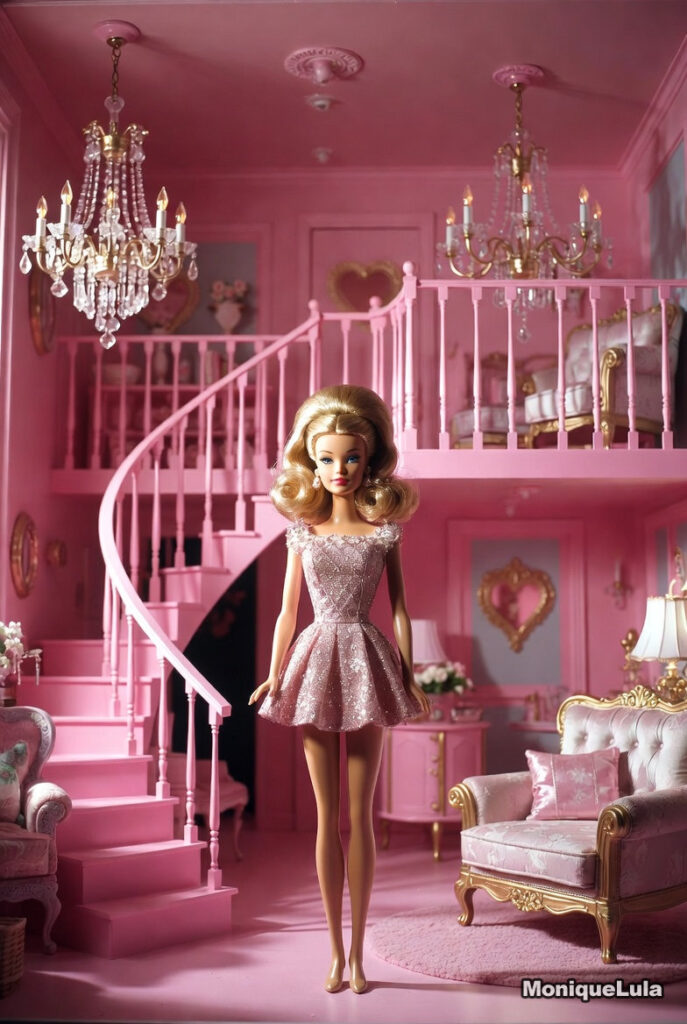
Barbie was created by Ruth Handler, co-founder of Mattel (along with her husband Elliot Handler). In the 1950s, Ruth noticed her daughter Barbara playing with paper dolls, treating them as adult women rather than baby dolls. At the time, most dolls for girls were infant-style, limiting imaginative play.While traveling in Europe, Ruth encountered the Bild Lilli doll—a curvy, adult-proportioned German toy based on a comic strip character. Inspired, she brought the idea back to Mattel. After overcoming internal resistance (executives were skeptical of an adult-bodied doll for children), the first Barbie debuted on March 9, 1959, at the New York Toy Fair.
The original Barbie wore a sleek black-and-white striped swimsuit, had red lips, and a ponytail. She was marketed as a “teenage fashion model.” Named after Ruth’s daughter Barbara (with Ken later named after her son), Barbie sold exceptionally well—over 350,000 dolls in her first year. She represented independence, fashion, and possibility at a time when women’s roles were evolving.Evolution Through the Decades
- 1950s–1960s: Barbie started as a high-fashion adult figure with elegant outfits. Early packaging and branding were not heavily pink-focused.
- 1970s: A major shift occurred. Mattel pivoted marketing toward younger girls and introduced bold, vibrant packaging. This is when pink really took over. Bright pink boxes, logos, and accessories became standard.
- 1980s–1990s: Career Barbies (doctor, astronaut, etc.) balanced glamour with empowerment, all wrapped in increasingly pink branding.
- 2000s–Present: Barbie embraced diversity in body types, skin tones, and careers while solidifying pink as her core identity. Mattel even trademarked a specific shade.
The Rise of “Barbie Pink”Contrary to popular belief, the original 1959 Barbie wasn’t heavily associated with pink packaging. That connection strengthened in the 1970s, when Mattel deliberately leaned into the color for its eye-catching appeal in toy aisles. Pink helped differentiate Barbie from competitors and appealed strongly to young girls.
Barbie Pink (often Pantone 219 C—a vibrant, hot magenta-pink) was later formalized and trademarked. It’s bold, joyful, unapologetic, and powerful. As Mattel executives have noted, it symbolizes empowerment and the idea that girls can be anything.
Pink wasn’t always “girly.” Historically, it was sometimes considered a masculine color. Barbie (and broader cultural shifts) helped cement its modern association with femininity, fun, and confidence. By the 1970s and beyond, everything from Dreamhouses to accessories exploded in various shades of pink, creating the immersive “Barbie World” aesthetic that peaked again with the 2023 Barbie movie.
Why Pink Works So Well for Barbie
- Visual Impact — Pink pops on shelves and in marketing, creating instant brand recognition.
- Emotional Resonance — It evokes joy, creativity, and optimism.
- Cultural Flexibility — Barbie’s pink has evolved from pastel to hot magenta, mirroring fashion trends while staying consistent.
- Empowerment Symbol — Far from passive, Mattel positions the color as strong and vibrant—Barbie’s pink is “the antithesis of shy.” fortune.com
Legacy and Modern Relevance
Today, Barbie has sold over a billion dolls worldwide. She’s inspired generations while adapting to criticism and changing societal norms. The color pink remains central to her identity—from Dreamhouse interiors to global marketing campaigns. The 2023 Barbie film amplified this, turning “Barbiecore” into a full cultural moment and bringing hot pink back into fashion and design. Ruth Handler’s creation wasn’t just a doll—it was a blank canvas for dreams, ambitions, and endless wardrobe changes. And that signature pink? It’s the thread that ties it all together, turning a simple toy into an instantly recognizable symbol of fun, femininity, and possibility.